
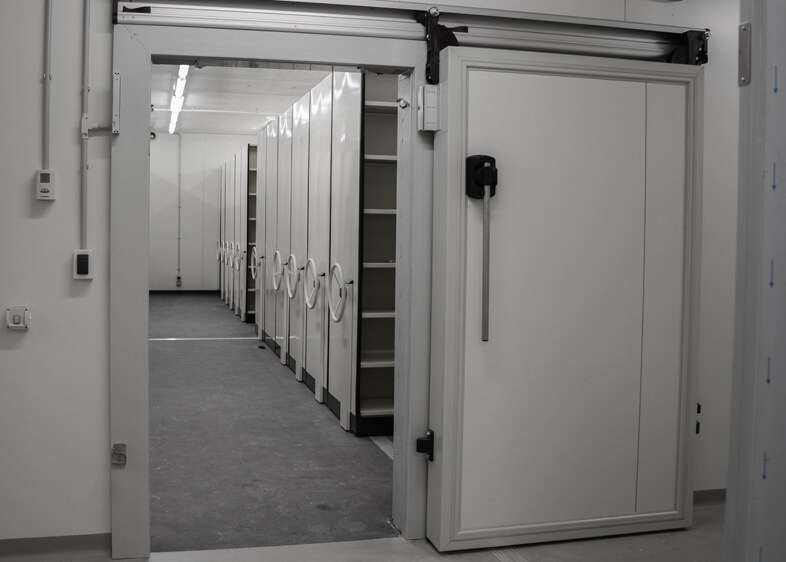
Not every door labelled “hermetic” lives up to the name. In laboratory environments, where contamination control and compliance are non-negotiable, a door must deliver airtight performance that is tested, measurable, and reliable. The difference between “sealed” and “hermetic” is not just marketing, it is the line between compliance and risk. So, what makes a lab door truly hermetic? Let’s look at the performance standards that matter most.
Hermetically sealed doors create an airtight barrier for cleanrooms, hospitals, and labs. In this article, we explain how they work, where they’re used, and why they’re essential for compliance, hygiene, and controlled airflow in critical environments.
When it comes to the design of healthcare facilities, every detail, no matter how small, plays a pivotal role in patient safety, care, and overall experience. Among these myriad details, one stands out not just for its functional importance but for its role as a silent guardian against invisible threats: the humble door.